Sipping Science: The Math Behind Winemaking and Wine Tasting
Wine is more than just a delightful drink to sip on during gatherings or a comforting evening on a quiet night. It is a complex fusion of artistry and science, and at the heart of winemaking lies an often-overlooked player—mathematics. Just as a sommelier must develop a refined palate, winemakers apply the principles of wine science, utilizing mathematical concepts to craft the perfect vino. Have you ever pondered how numbers might shape the taste and quality of your favorite glass of wine? Let's dive into how crucial math is in the vineyard!
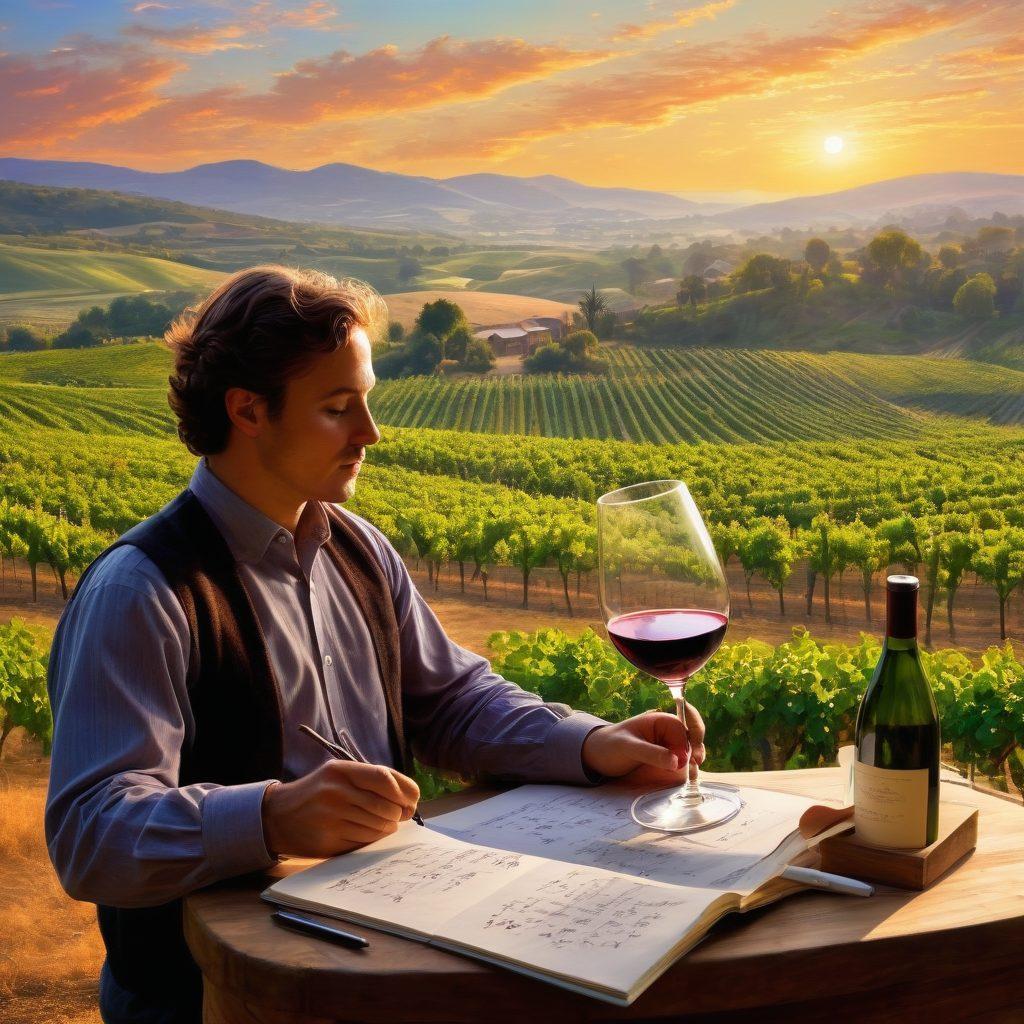
Imagine you’re in a vineyard, surrounded by luscious grape vines under the warm sun. As you take in the aroma of ripening grapes, did you know that each step of winemaking is meticulously analyzed with algebra and statistics? Winemakers calculate the ideal sugar levels in grapes to determine the perfect moment for harvest, deploying numerical cuts to ensure their wine maintains the right balance of sweetness and acidity. This aligns with wine quality assessments and enhances your wine tasting experience. Mathematics isn't just numbers; it’s a key component of a successful vintage that contributes to the allure of food and wine pairing.
The wine industry thrives on precision, where geometry plays a crucial role in packaging and barrel design. Whether measuring the circumference of the barrel or calculating its volume to maximize fermentation efficiency, winemakers employ geometry to elevate the wine's quality. Isn't it fascinating that the shape of a wine glass can enhance aroma perception and tasting experience? Wine analysis often demands creative problem-solving much like those math games you played in school! Each twist and turn of the algebraic equations brings forth intricate layers of flavors in every bottle of wine, allowing us to savor those moments a little more.
For those interested in wine education and winology, embracing math literacy can take your appreciation of vino to the next level. Online math tutoring and interactive learning can provide the tools necessary to understand the mathematical principles underpinning wine science. After all, who wouldn't want to impress friends by knowing the perfect calculation for the ideal serving temperature of a Cabernet Sauvignon? Educational resources can transform your understanding of wine and make math a delightful companion on your journey through the vineyards—who knew studying could be this appealing?
In this ever-evolving world of wine, the curriculum development of wine-related math isn’t just useful for aspiring winemakers; it arms enthusiasts with the mathematical literacy to unpack the complexities behind the taste. From calculating alcohol levels using calculus to interpreting fermentation rates through statistics, these concepts can drive a newfound respect for wine. So, the next time you raise a glass, remember the intricate dance of numbers—the algebra, the geometry, and the statistics that made your wine possible. Raise a toast to the glorious fusion of science and artistry, and let mathematical concepts guide your next wine tasting adventure!
From Grape to Glass: The Role of Math in Wine Education and Tasting
Imagine stepping into a sun-drenched vineyard, where the sweet smell of ripe grapes fills the air and the promise of a fine vino awaits. But have you ever thought about the math hiding behind that enticing glass? From grape to glass, the role of math in winemaking and wine tasting can seem surprising to some, but it plays a vital part in the intricacies of wine education. Picture a sommelier, swirling a glass of wine, tasting notes dancing on their palate, all while knowing that their craft is grounded in a strong understanding of mathematical concepts. Join us as we explore how math not only enhances our appreciation of wine but also enriches our education in this delightful domain.
Let's take a moment to appreciate the science of wine, or as it is affectionately termed, wine science. Each step in the winemaking process, from the harvest of the grapes to the fermentation of the juice, is influenced by statistical assessments and algebraic calculations that determine everything from sugar levels to acidity. For instance, consider the notion of wine quality assessment. Winemakers rely heavily on math analysis to decode the ideal balance between sweetness, acidity, and tannin levels, ultimately leading to a product that consistently delights the palate. With these insights, the process becomes less about guesswork and more about precision – akin to crafting a beautiful work of art, where every brushstroke is measured by mathematical literacy.
As we explore wine education, it becomes clear that interactive learning tools can vastly enhance student learning. From math tutoring courses that connect students with the fundamental ideas of geometry and statistics, to engaging math games designed around wine math problems, there are countless resources available. Think about how algebra might help a budding winemaker predict fermentation rates, or how calculus aids in understanding the best time to bottle. Such educational resources not only enhance numeracy skills but also offer a unique perspective into the wine industry. Isn't it fascinating to learn that a mere glass of wine can teach us core mathematical principles?
Additionally, wine tasting isn’t just about swirling and sipping; it’s also about making connections. Imagine pairing the perfect food with your selected vino. This culinary art involves understanding proportions and ratios – key aspects of math. The right food and wine pairing can elevate a meal, but it often requires an underlying knowledge of measurement. Food scientists and sommeliers use their understanding of wine analysis to recommend pairings that enhance the dining experience. So, the next time you sit down for a lovely meal, consider how mathematics may have played a role in its success!
In a world where math is sometimes considered drab, winology allows us to see its practical and enjoyable sides. By immersing ourselves in math practice that intertwines with our everyday experiences, we become more engaged learners. Whether it is through curriculum development that includes this kind of relatable content or using online math platforms that bring creativity into numeracy, the potential for growth is enormous. After all, who wouldn’t want to become more mathematically literate while enjoying a glass of delightful vino? So, raise a glass to both wine and math – two passions that can enrich our lives, one sip and calculation at a time!
Decoding Wine: The Intersection of Math and Sommelier Expertise in Vino Appreciation
When one thinks of wine, the mind often drifts to images of sun-kissed vineyards or the swirling of deep burgundy in a crystal glass. However, there’s another layer to this rich liquid that transcends its tantalizing taste. Welcome to the intriguing world of vino, where math and science intertwine to create the perfect pour. Have you ever stopped to wonder how sommeliers achieve that ideal balance of flavors or how winemakers assess the quality of their grapes? Let’s decant the essence of math in winemaking and wine tasting, and unveil how numbers and formulas play a vital role in the art of appreciation.
Imagine this: A winemaker steps into her vineyard, grappling with the complexities of the land. She analyzes soil pH, calculates rainfall averages, and uses data to forecast the yield of the grape harvest. This is no ordinary gardening; it’s winemaking backed by science. In the wine industry, factors such as grape variety, terroir, and fermentation temperatures are meticulously studied. Herein lies the intersection of wine science and mathematical literacy. Just as algebra provides the framework for solving equations, these mathematical concepts allow winemakers to make informed decisions that directly impact the quality of the final product.
Now, let’s pour a little statistics into this glass of knowledge. Wine tasting isn’t just about swirling and sniffing; it’s also an exercise in numerical analysis. Have you noticed how sommeliers evaluate wine quality through detailed wine analysis that includes scoring and tasting notes? A complex score could involve a range of variables, including acidity levels, alcohol content, and sugar balance. These factors come together to create a picture of the wine's profile, and yes, they often utilize calculus in navigating those nuanced flavor components. So, next time you sip a glass of Merlot, think about the hidden calculations that went into that perfect blend!
And it doesn't stop at the vineyard. The realm of wine education offers numerous educational resources that help budding sommeliers and enthusiasts appreciate vino on a deeper level. Interactive learning platforms provide math tutoring specifically focused on applications like wine math problems and food and wine pairing. Picture this: a classroom buzzing with excitement as students engage in math games that not only sharpen their numeracy skills but also deepen their understanding of winemaking—now that’s a blend of educational fun!
Finally, let’s savor the notion that all of this math serves a grand purpose: enhancing our enjoyment of wine. Whether you are cracking open a bottle for an intimate dinner or hosting a grand tasting, understanding the fundamentals of wine science can elevate your experience. Delve further into wine quality assessment and encourage others to join you in this exploration; who knew that discussing the geometry of a wine bottle could lead to deeper conversations about design and taste? As you appreciate each glass, remember that behind every delightful sip is a mosaic of mathematical precision and artistry—a perfect pairing in the world of winology.